Heide
Sights
St. Jürgen’s Church
Marktplatz, 25746 Heide
Heide
Sights
Marktplatz, 25746 Heide
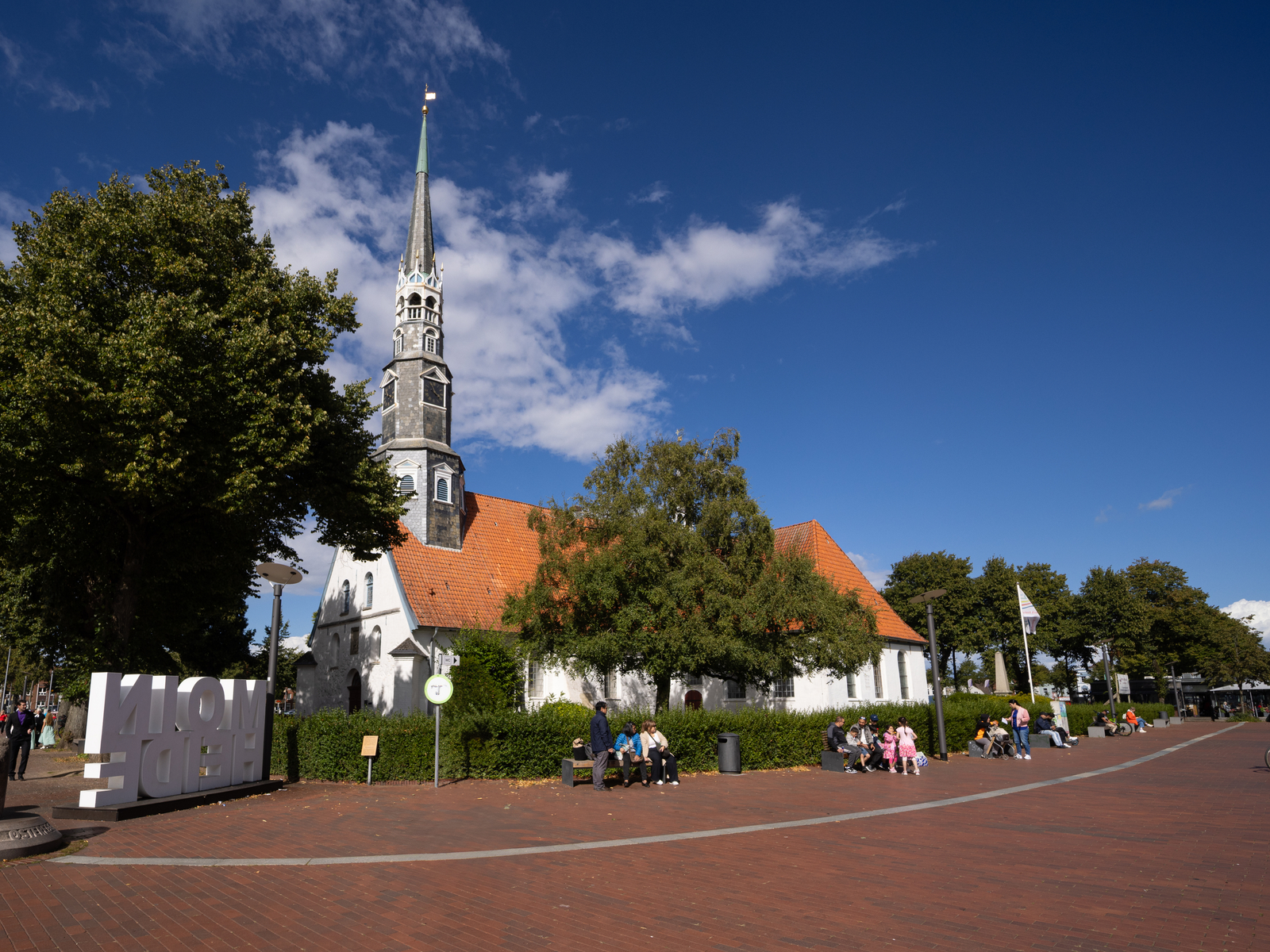
Perhaps it was the Christian warrior's temperament of the holy George (St. Jürgen in Low German) that moved the citizens of Heide to choose him as the titular Saint of their church in 1435 – indeed, the people of the free and independent Farmer's Republic of Dithmarschen (1447-1559) distinguished themselves as being particularly freedom-loving and militant.
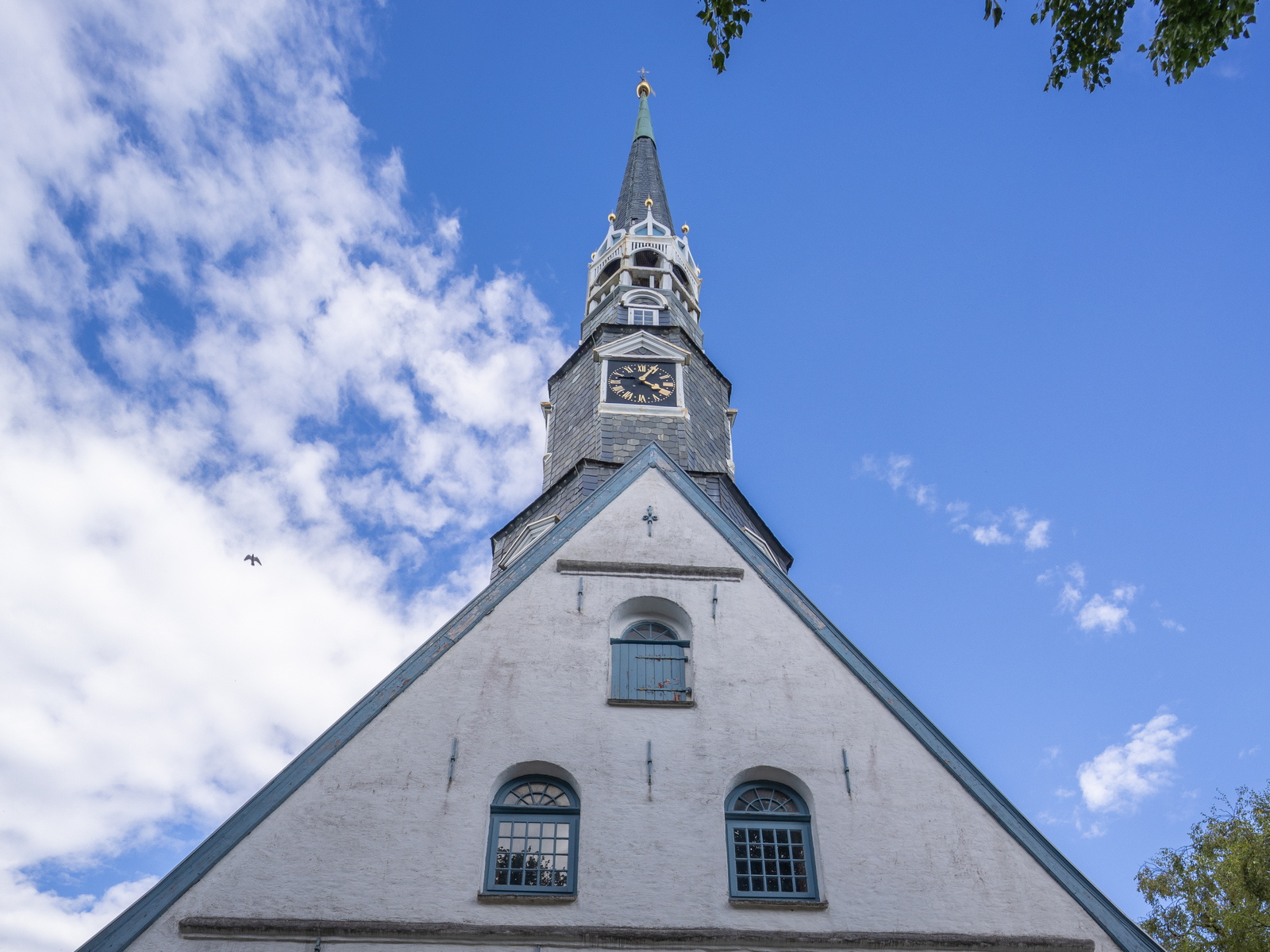
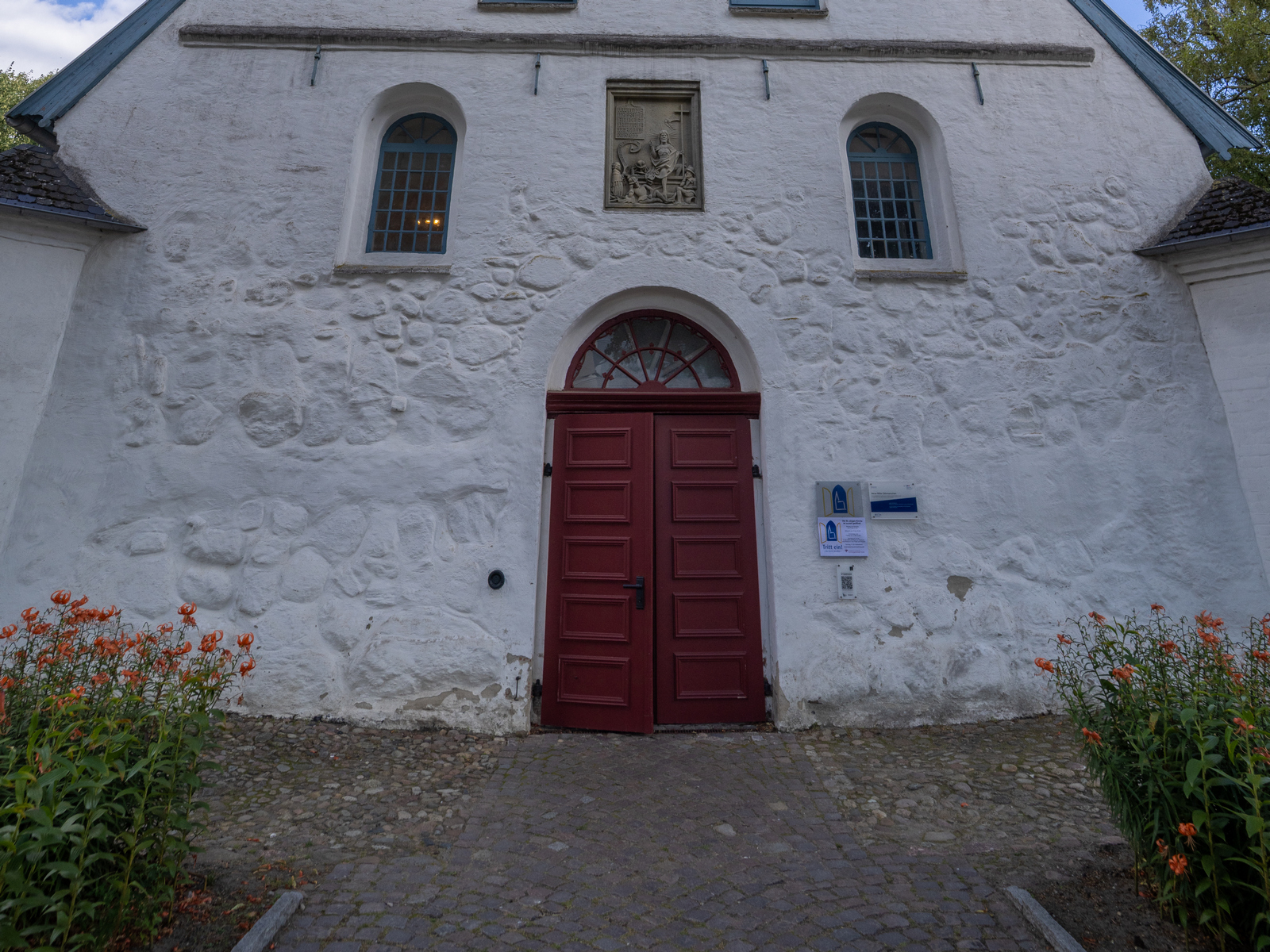
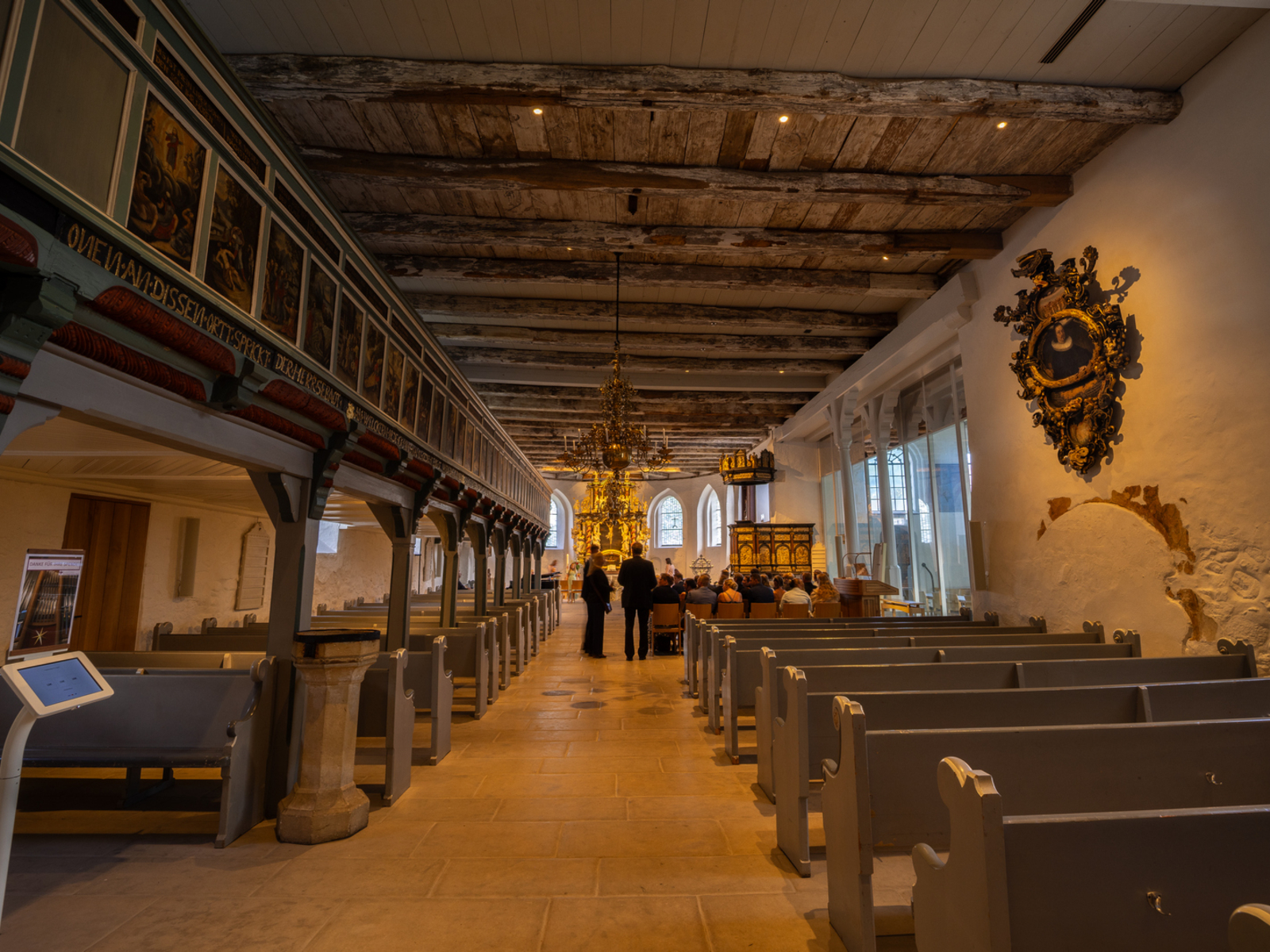
The church had many stations in the history of its development: In 1435, it was built as a chapel, and it was expanded into a church in 1460. When Heide was captured by Danish and Holstein troops in 1559, the church burned to the ground. On its foundations, the current St. Jürgen’s Church arose in the style of a rural single-vessel hall church. The dedication took place in 1560. In 1611, the 48-m tall west tower was built, and an expansion was constructed on the south side between 1694 and 1696. Master builder Johann Georg Schott – who you may already know from his other buildings, “Old Parsonage” or “Dreetörnhus” – renovated the sumptuous bell tower in 1724.
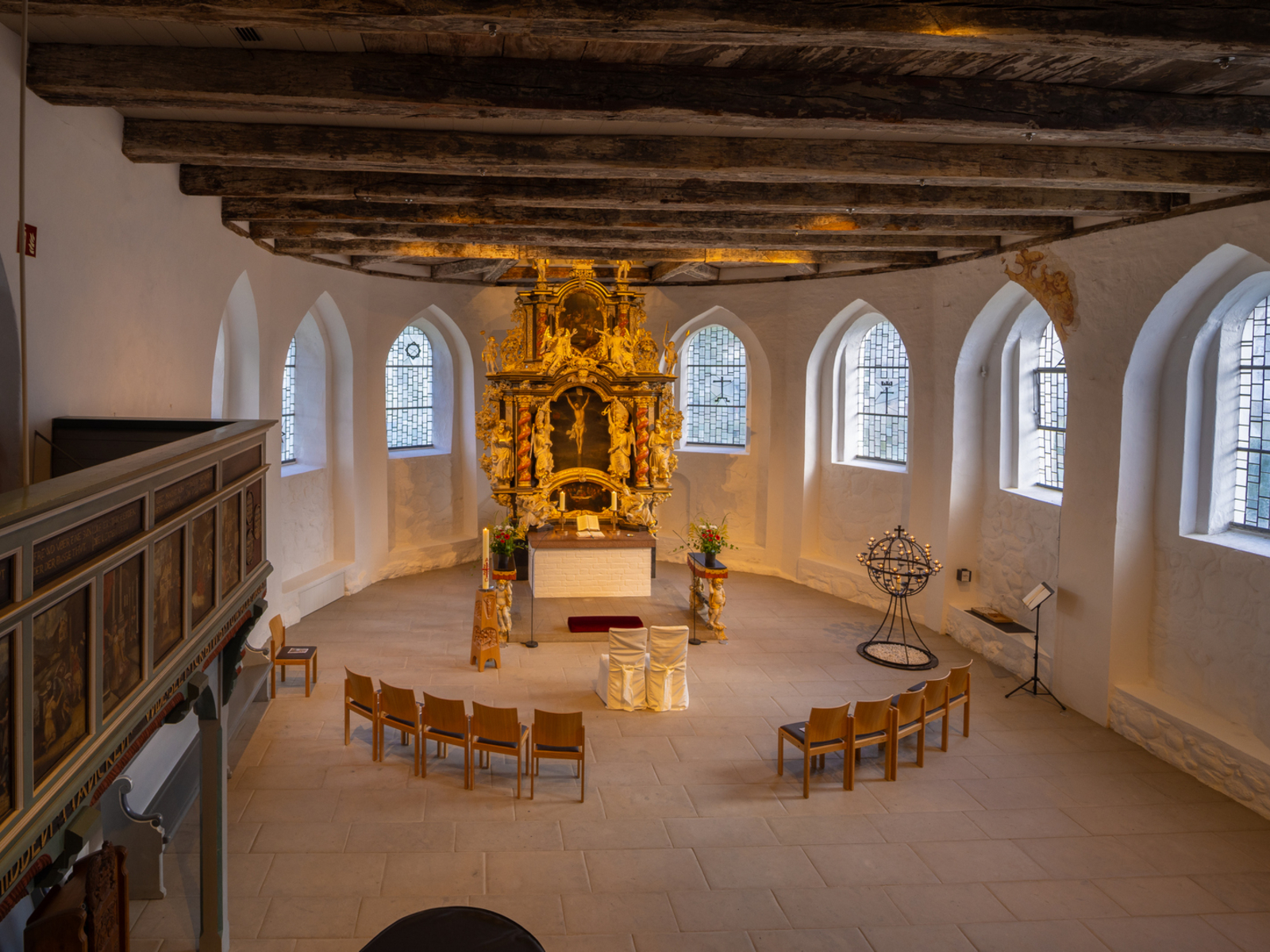
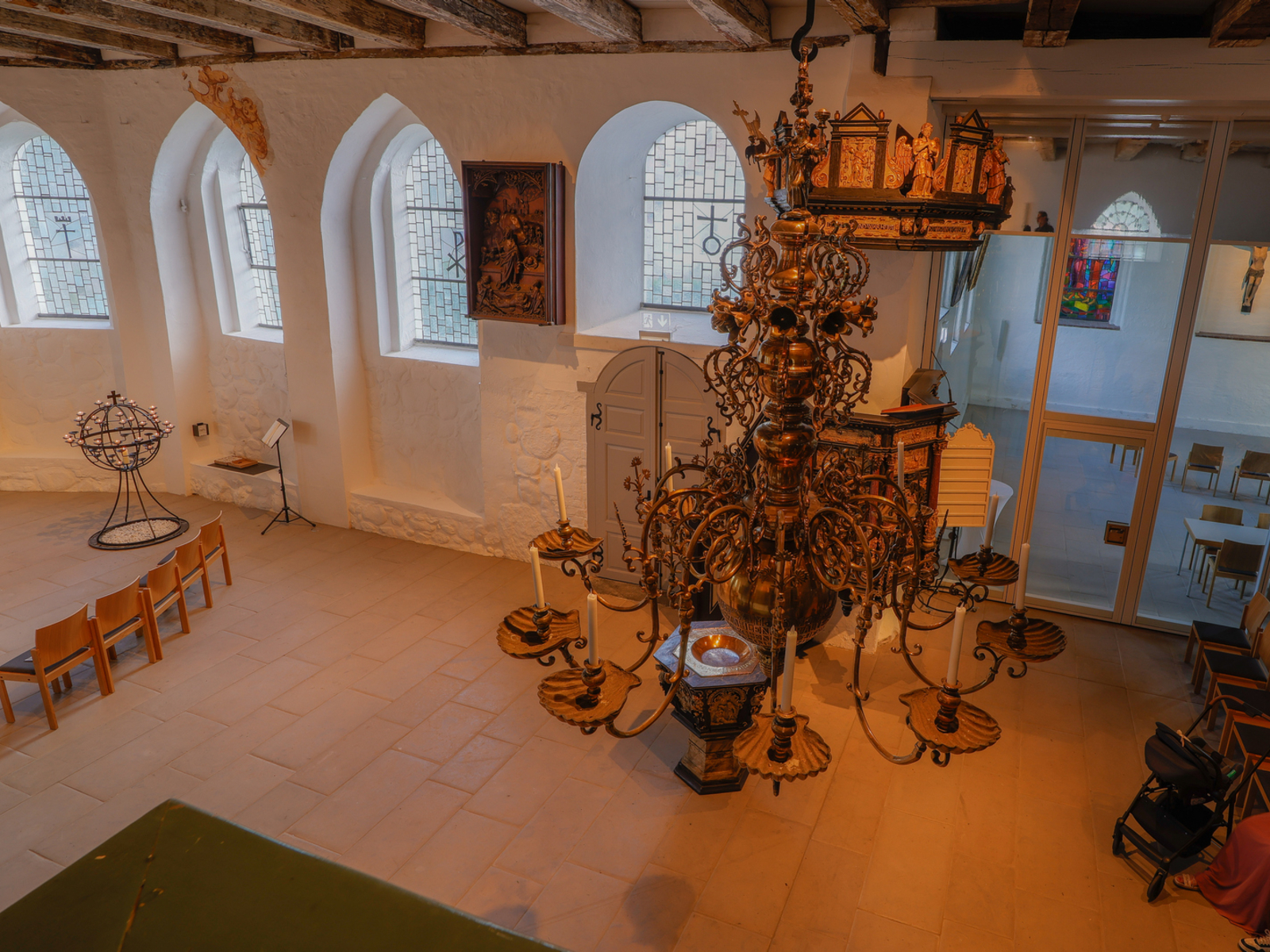
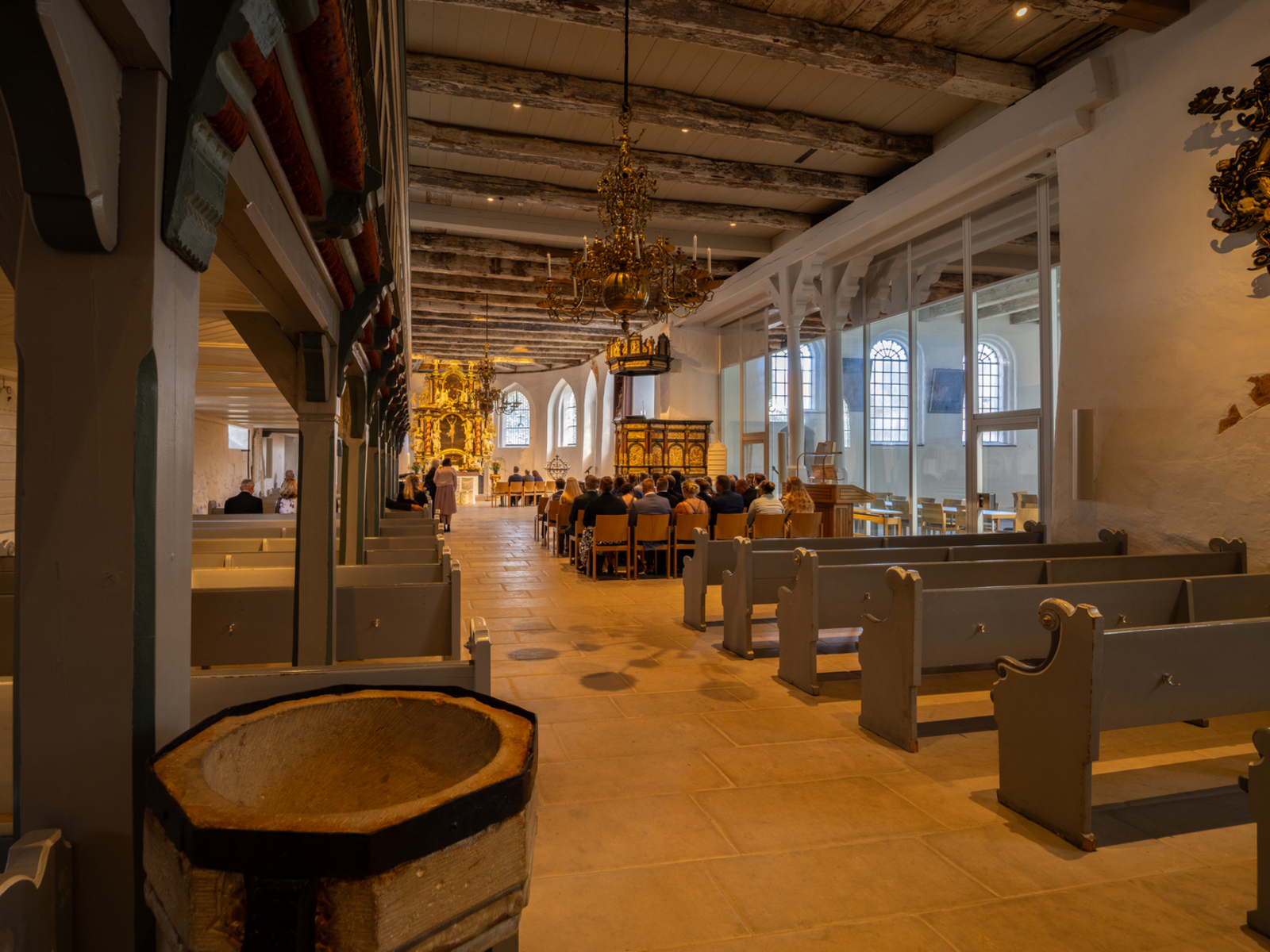
Many depictions of biblical motifs can be found in the interior of the church. The heart of the church is the Baroque alter, which Valentin Preuß, an alter carver from Hamburg, made in 1699. With his images, the painter Johann Holte narrates the Passion and Easter narratives, the Last Supper, and the crucifixion of Jesus. The pulpit reflects its date of origin in the Renaissance. The gallery is illustrated with artwork from the Merian bible of the world-famous copper engraver Matthäus Merian. The tomb slabs in front of the church, particularly that of a Russian prince who died in 1713, evoke thoughts of historical events long past.
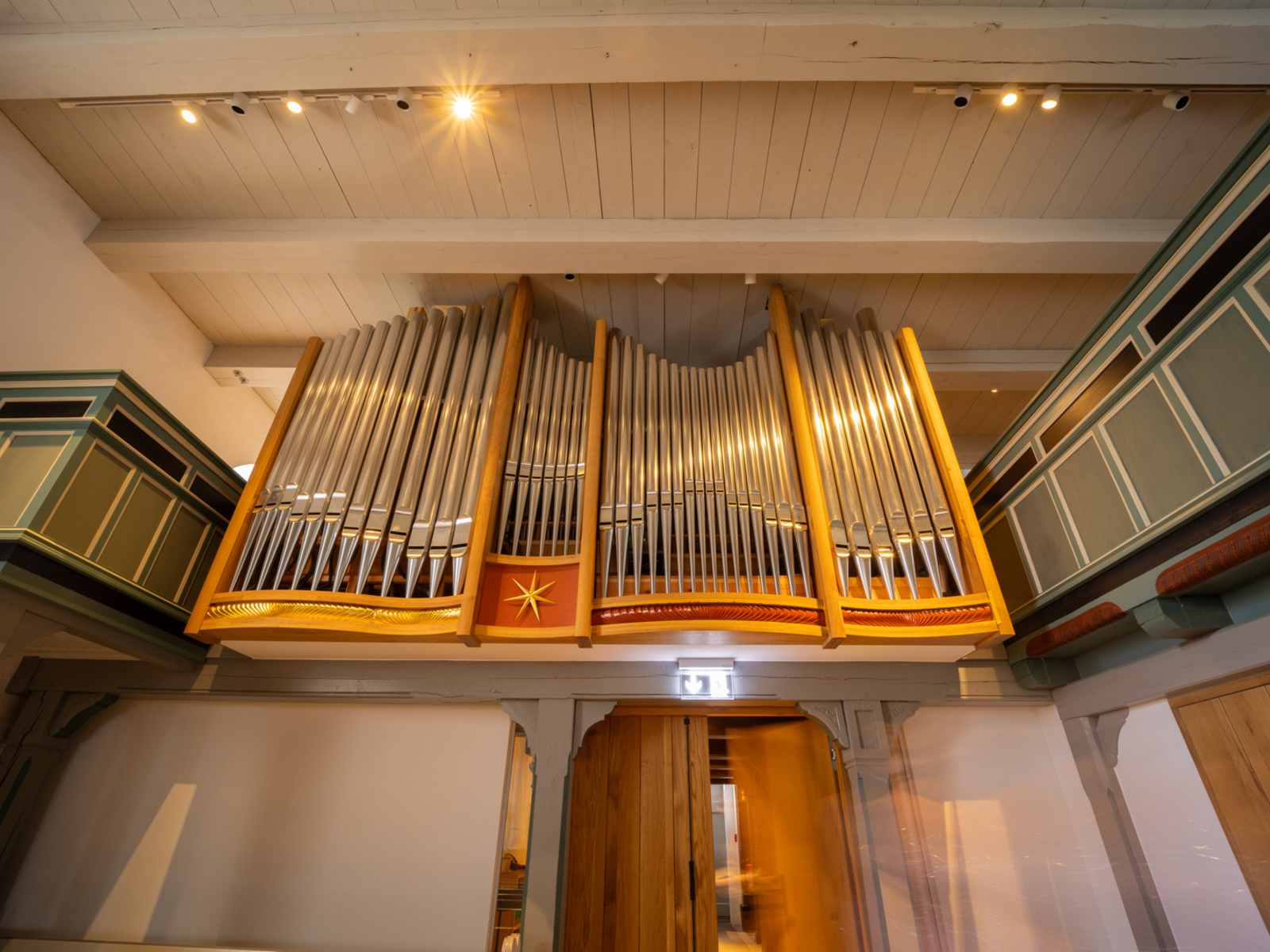
St Jürgen’s church has recently been extensively renovated, with work starting in 2020. This means the church, which now boasts a new organ, can also be used as a concert venue and parish hall.
Please accept cookies on this page to use the map feature.
Loading...
No locations found for this filter combination!
Scan the code to view this page on your smartphone or tablet.
We use cookies to provide you with the best possible browsing experience. Please note that when you accept only essential cookies, some of the website features may be unavailable or limited. You can find more information in our Privacy policy.