Hochburg Emmendingen
Sights
Hochburg Emmendingen
Sights
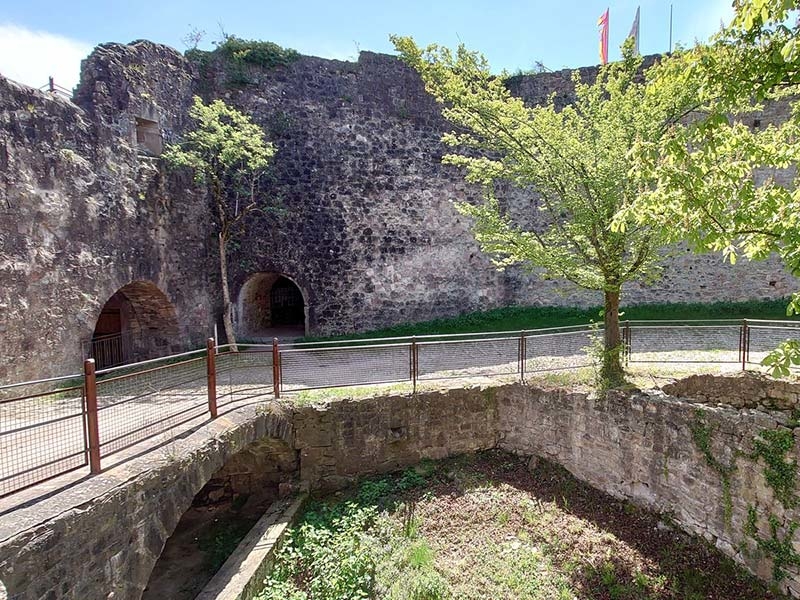
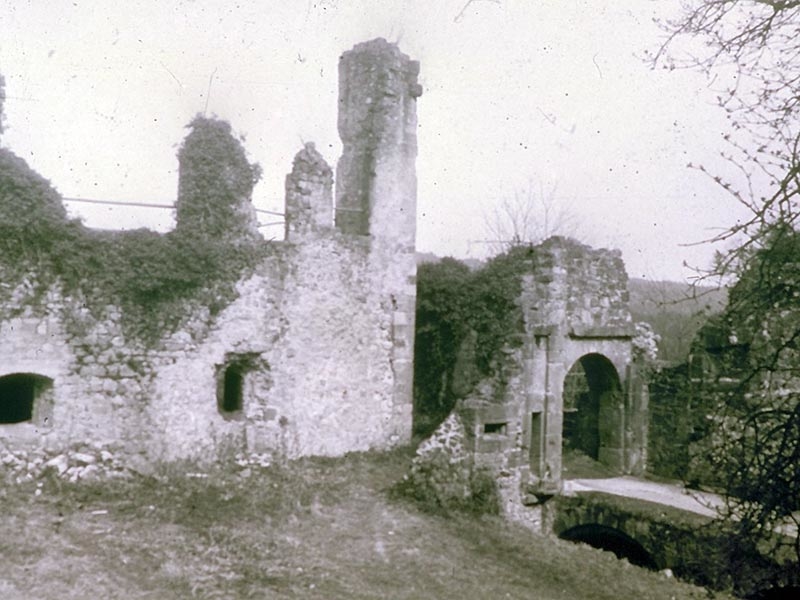
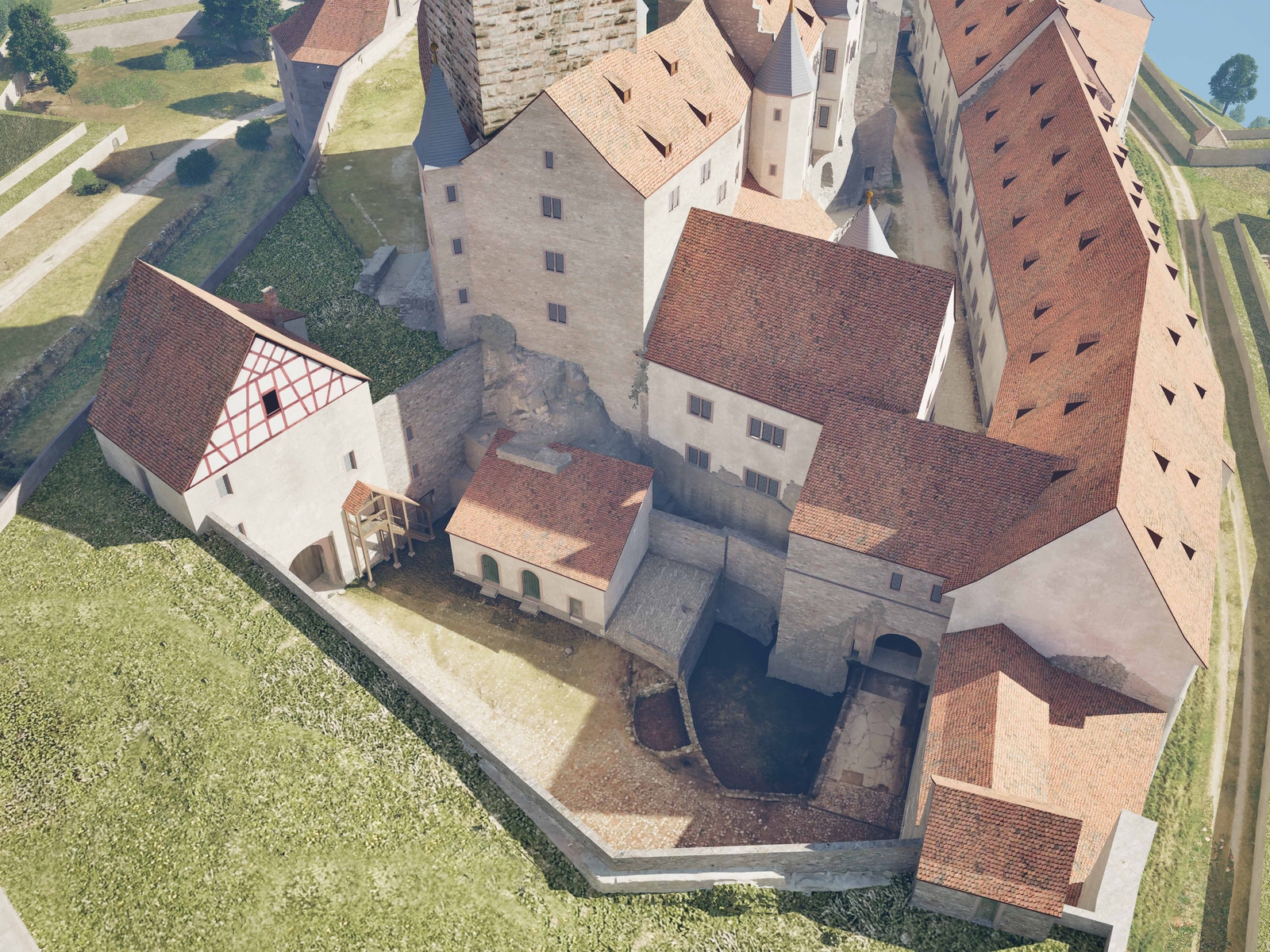
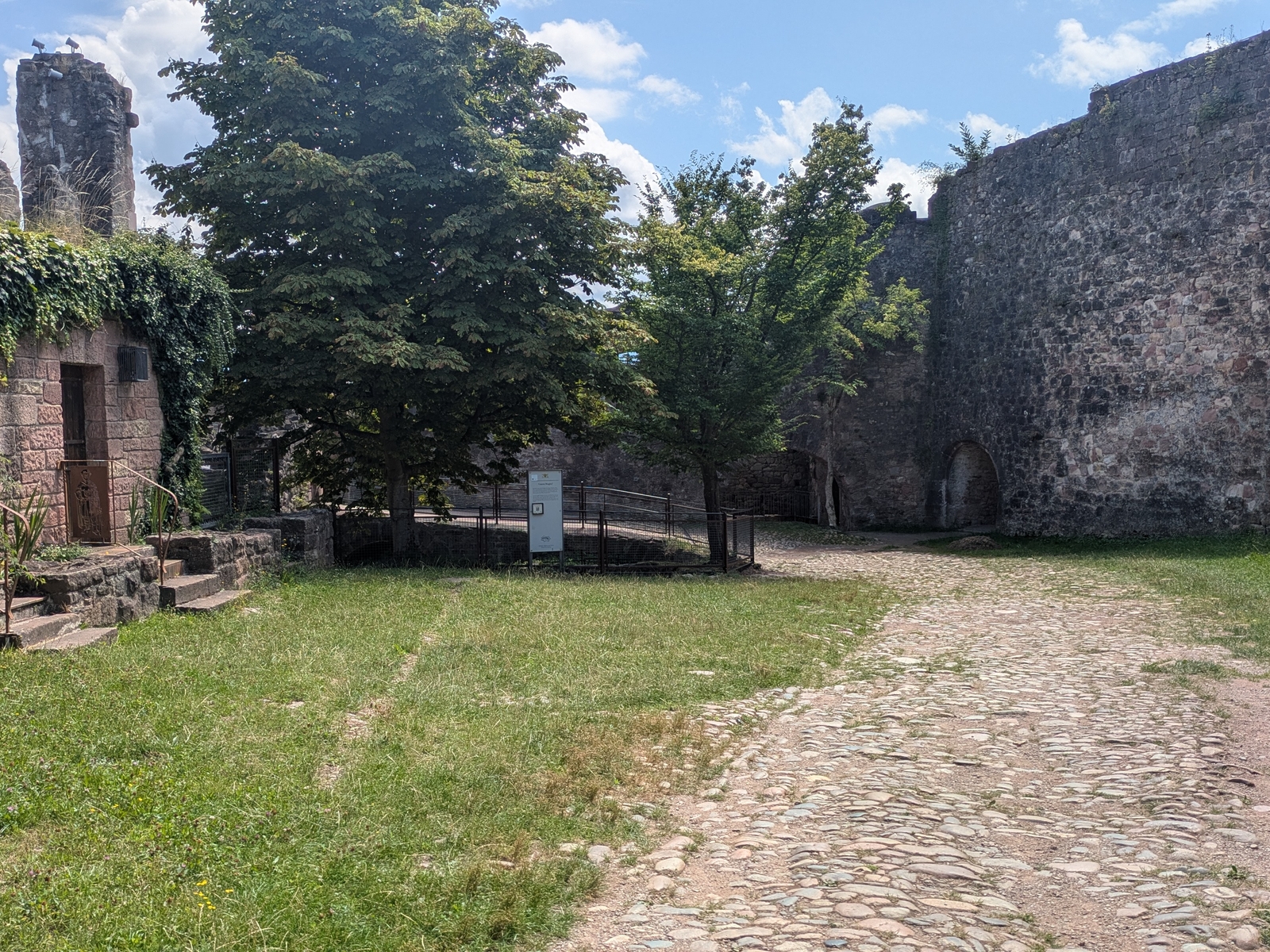
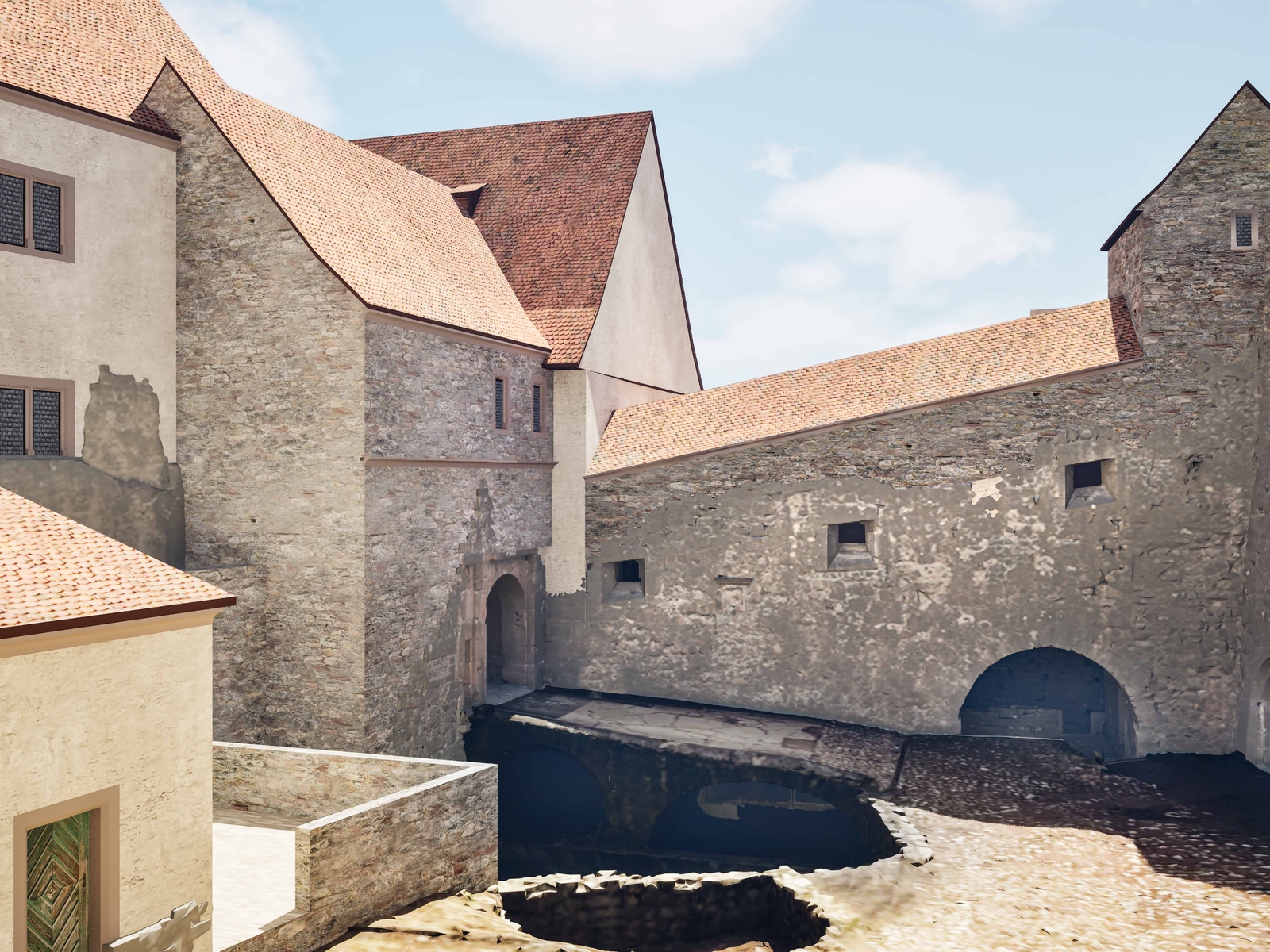
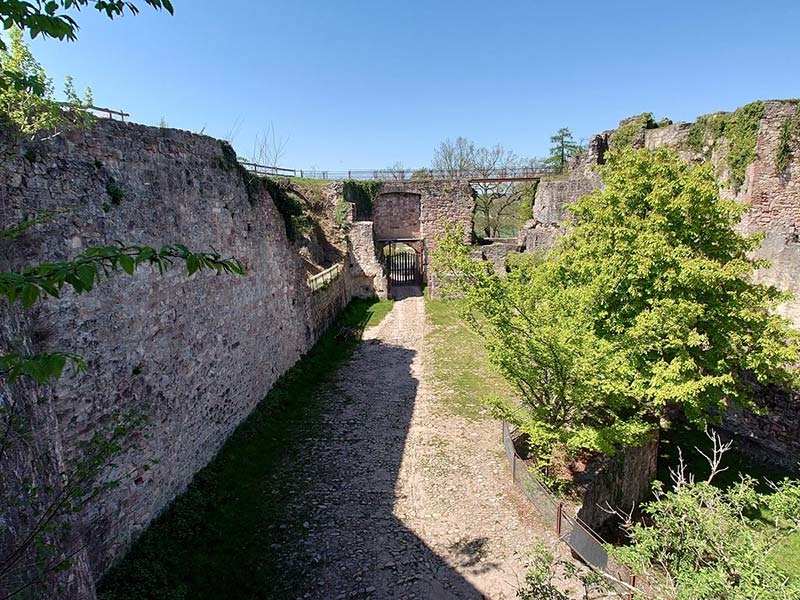
Here in the lower bailey, you can still make out the former neck ditch. This is the name given to an artificial ditch hewn from the rocks around. It separated the medieval castle from the external grounds to the south. Sandstone was also used as a construction material. Over time, this area developed into a farmyard through which the path to the upper castle leads. As well as the castle forge and stores, there was also a storage basin for rainwater. This was used not only for tradesmen and livestock, but also served as an important fire pond.
In 1684, military wives set the upper castle to the north on fire through negligence. The fire destroyed almost the entire upper castle. The subsequent investigation into the cause of the fire concluded that Catarina Dreyerin and Ursula Bechtholdin, both military wives, had been negligent in their handling of hot ash from the ovens. Both women were taken into custody prior to a ruling by the margrave. The castle governor, Wolfgang Peter Zilger, and his predecessor, Johann Erhardt Linkh, were also deemed jointly responsible for the terrible events but got off much more lightly. But they did have to pay a substantial fine. On the orders of one of these gentlemen, both of whom blamed the other, the large pond had been drained a few days earlier and as a result not enough fire water was available. Allegedly, the castle inhabitants had opened the pond drain in order to get better access to the fish. The pond and adjacent chalk pit were exposed in 1985 and subsequently restored. The current toilet building stands on the foundation walls of the former castle forge and was also built in 1985.
To the south-east, opposite the pond, is the entrance to what is known as the bulwark vault. Back then, it served as an entrance to the turret behind. Although the tall vault has been destroyed, you can still get a good impression of its scale. The steps down take you to the castle dungeon, which was built here some time around the late Middle Ages. The ramp in front of the dungeon was used to transport barrels of wine into the cellar of the governor’s residence.
From a castle code dating back to 1550:
“As soon as prisoners are brought to the castle, it is the guard’s duty to search their clothes, remove any hazardous items such as belts and trusses, and keep them until they are released ‘so that the prisoners and those particularly disposed to maleficence do not succumb to despair or temptation and take their own lives.' Depending on the governor’s orders, the guards have to provide the prisoners with food and drink, and listen at the locked door once or twice in the mornings and evenings to check nobody is trying to escape or has a reasonable request. Woe betide if a prisoner escapes because of the guard’s negligence! They face corporal or even capital punishment.”
Please accept cookies on this page to use the map feature.
Loading...
No locations found for this filter combination!
Scan the code to view this page on your smartphone or tablet.
We use cookies to provide you with the best possible browsing experience. Please note that when you accept only essential cookies, some of the website features may be unavailable or limited. You can find more information in our Privacy policy.