Hochburg Emmendingen
Sights
Hochburg Emmendingen
Sights
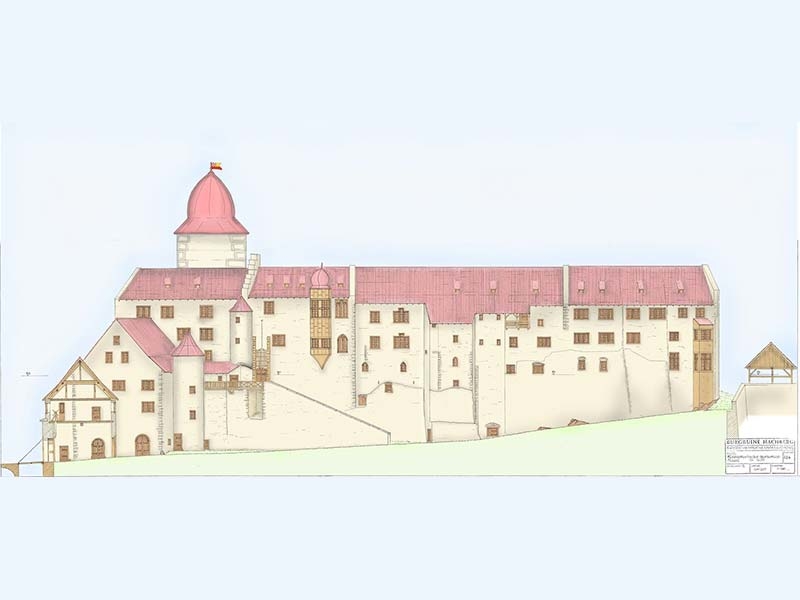
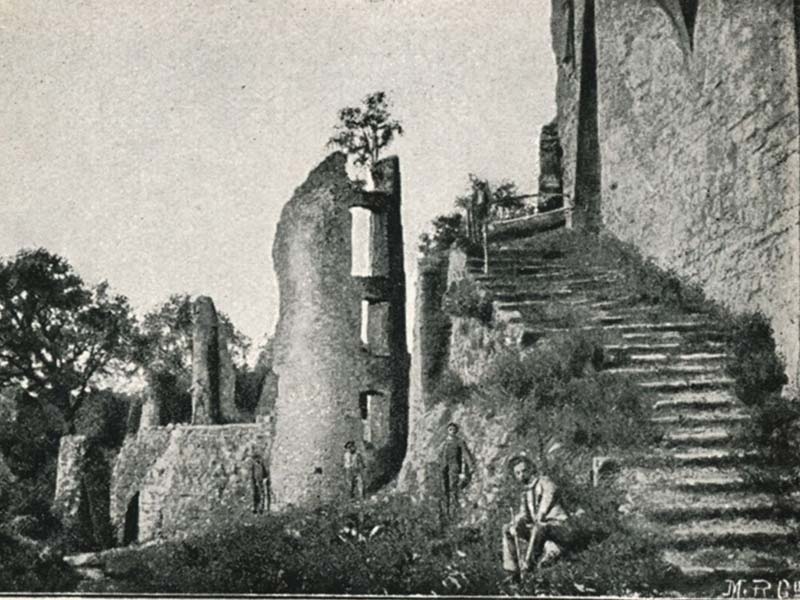
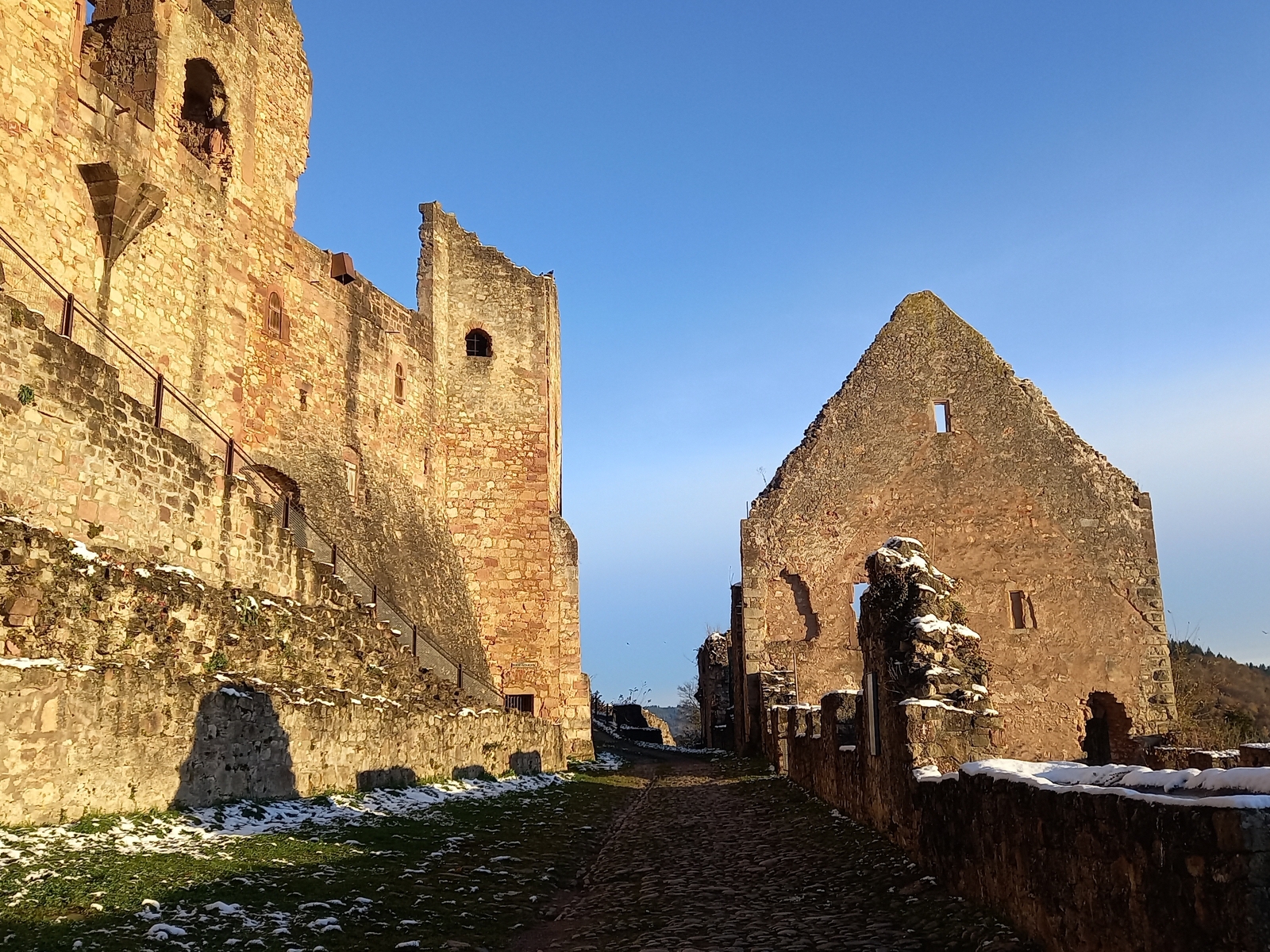
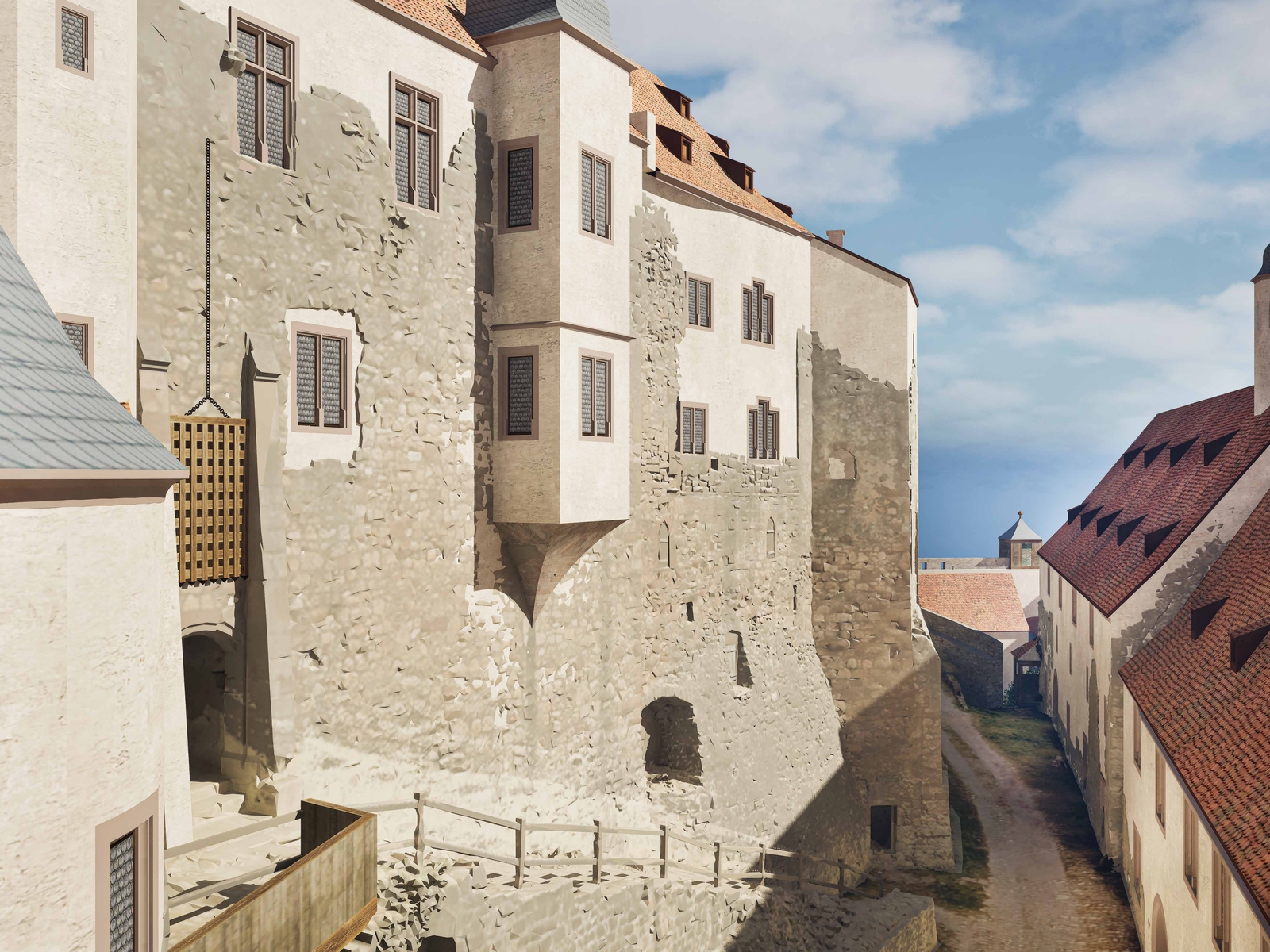
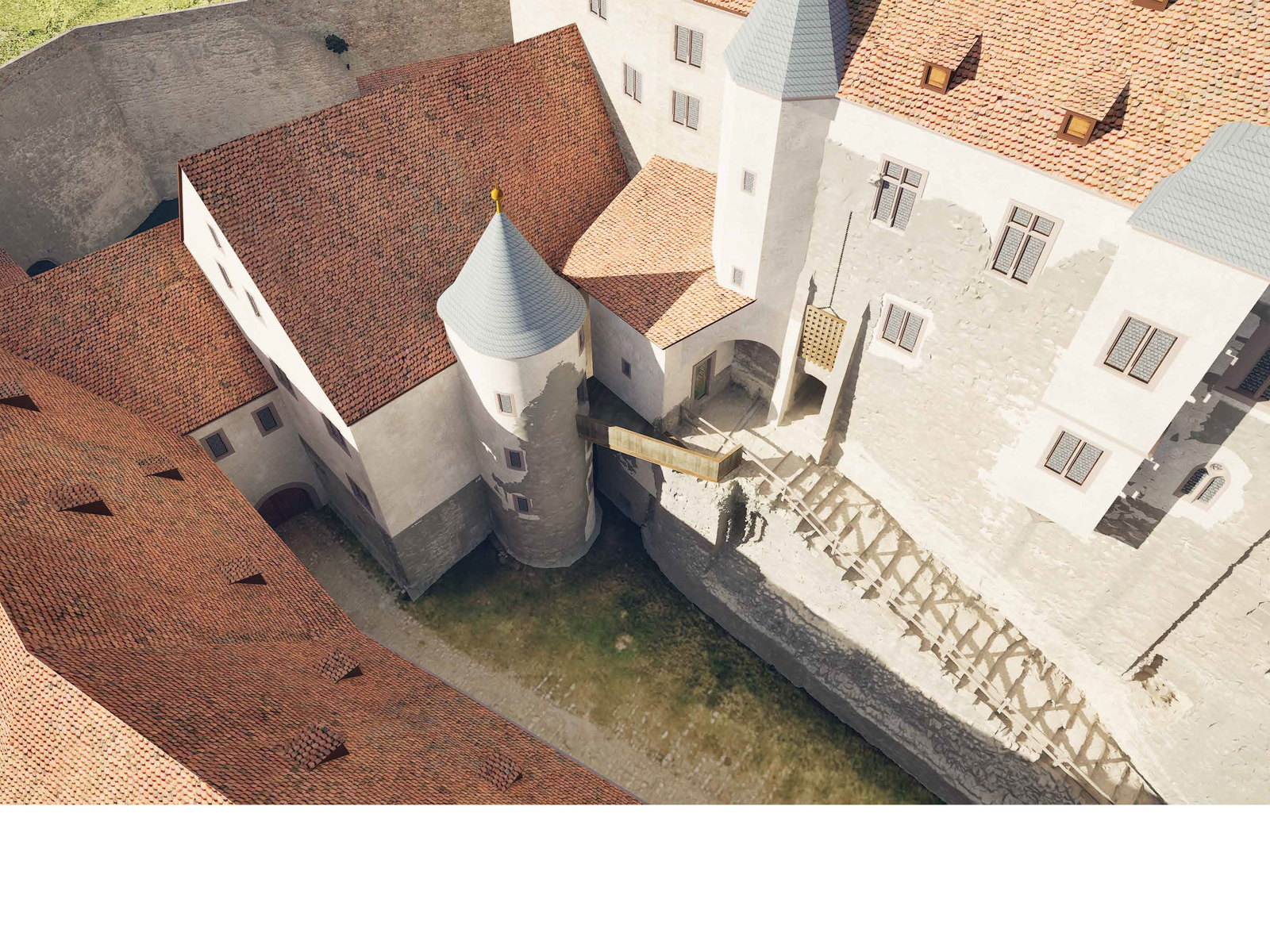
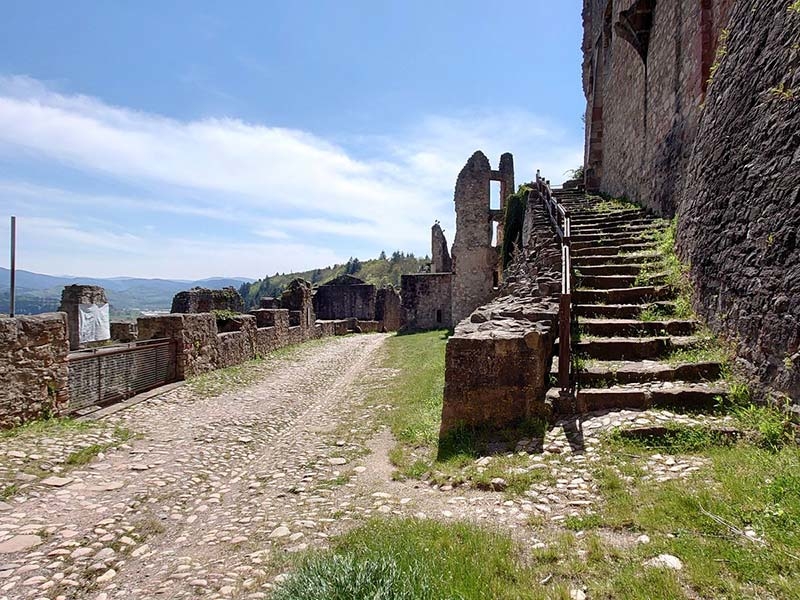
From the lower bailey, your path leads through the inner gate, which was the outer castle gate in the 14th century, when it was secured by a drawbridge. To the left, you can see the remains of the ‘Schneckenkasten’ or ‘snail box’. This was a storage building, known as a box, which also served as quarters for a castle commander in the 17th century. The tower on the side contains a spiral staircase, known as the snail, which was also once called the ‘Schneckenstiege’ or ‘snail climb’. What was once the castle well can be found behind the stairwell. It still contains about a metre of water at a depth of five metres.
The path on to the upper castle is lined by the walls of tall buildings. In earlier times, these defensive walls forced hostile attackers into a confined space, thus protecting the access to the upper castle. The word ‘Zwinger’ is derived from the German word ‘zwingen’, to force. Steps known as the ‘Eselsritt’ were built from the Zwinger up to the medieval castle to allow the castle lord and his lady to walk or even ride up to the castle.
To avoid the stench that once emanated from the garderobes projecting from the walls as they walked along the stairs and through the outer wards, the garderobes were torn down and enclosed in the shafts you can see today.
Since the 14th and early 15th century, the Hochberg has been both noble residence and administrative centre for the Margraviate of Hachberg. The castle governor and the master cooper were given suitable housing, and you can recognise the remains of the governor’s quarters and the autumn house to the right.
Please accept cookies on this page to use the map feature.
Loading...
No locations found for this filter combination!
Scan the code to view this page on your smartphone or tablet.
We use cookies to provide you with the best possible browsing experience. Please note that when you accept only essential cookies, some of the website features may be unavailable or limited. You can find more information in our Privacy policy.