Welcome to Kloster Hornbach
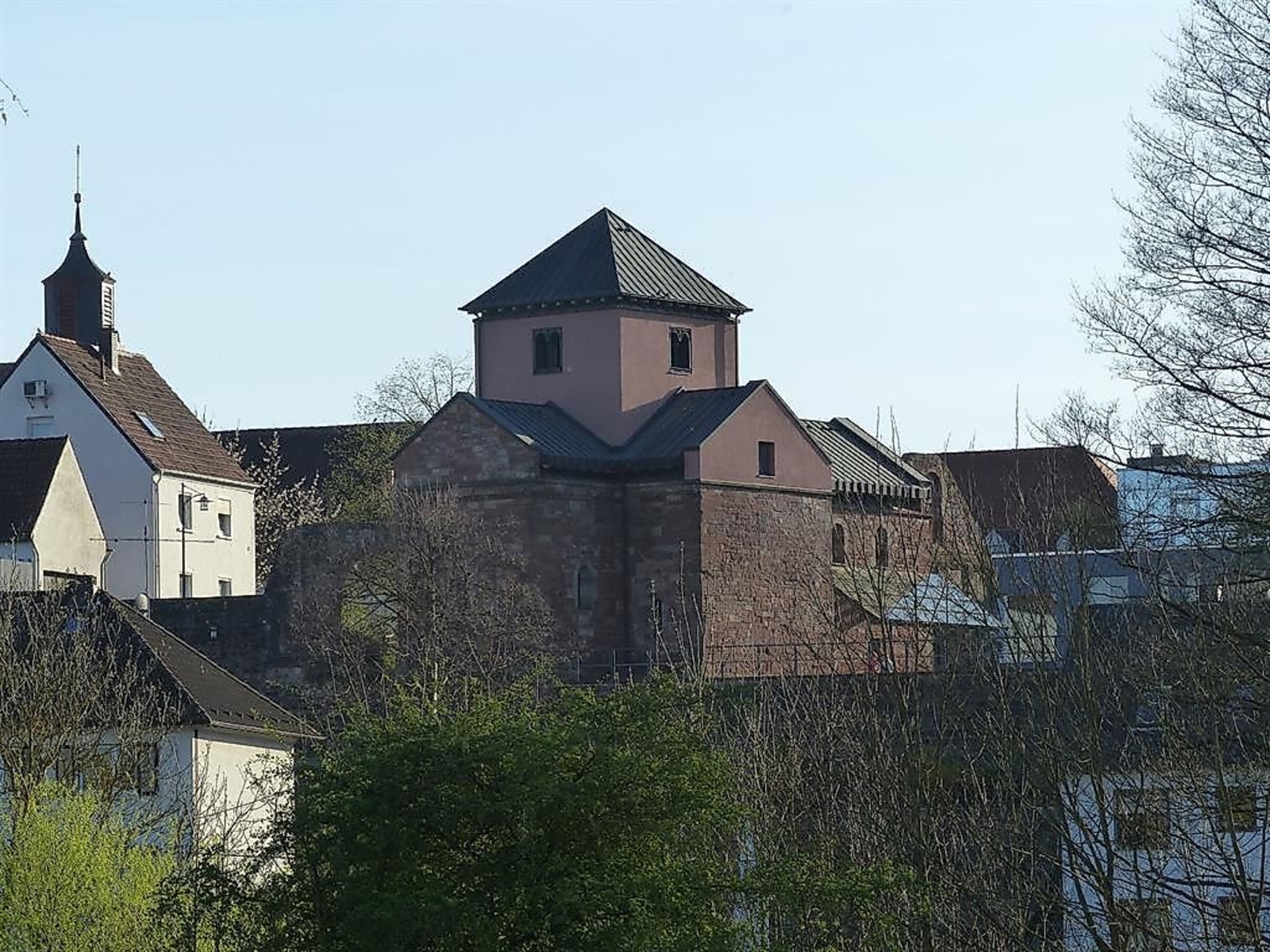
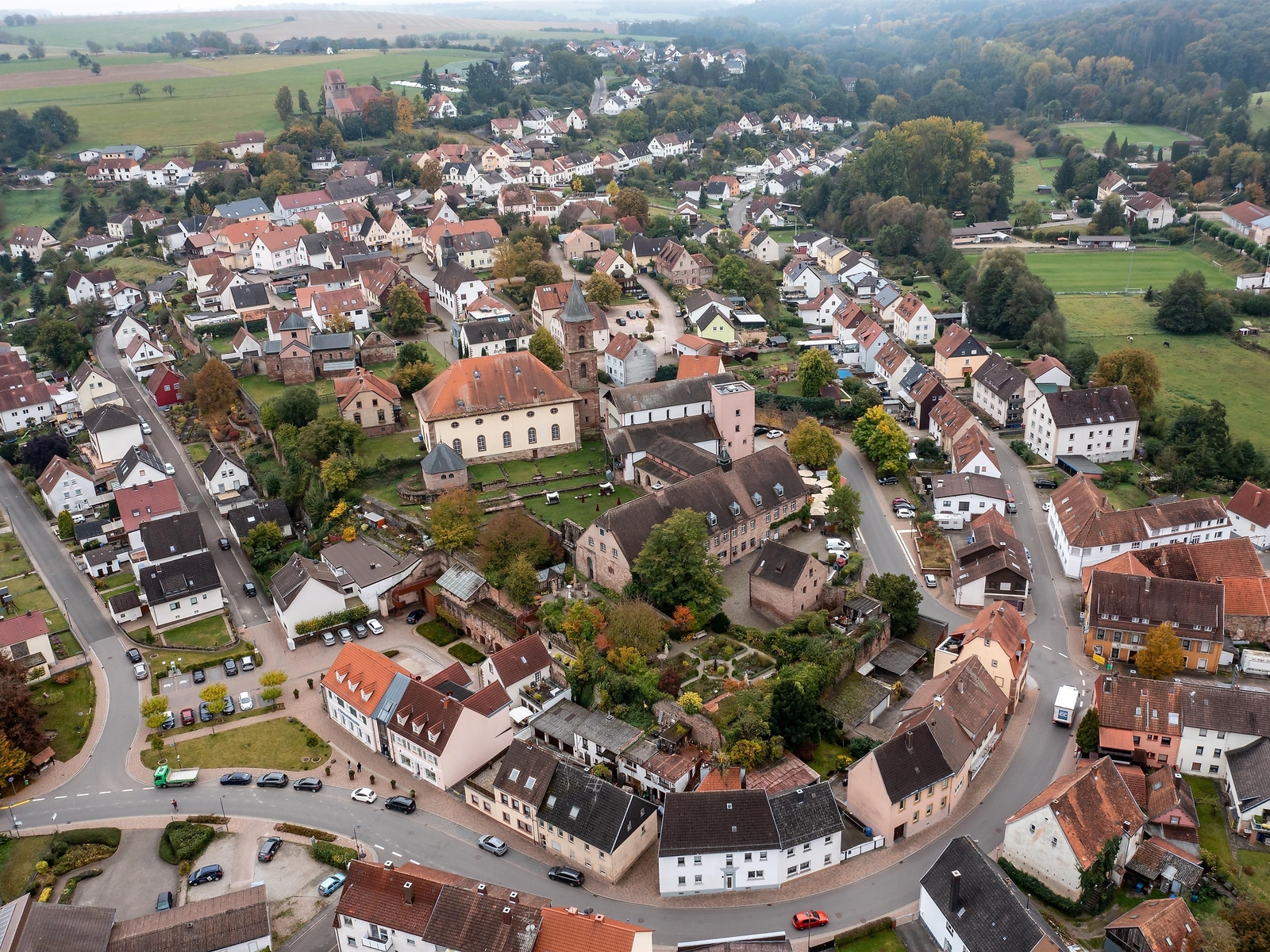
Those who take a walk through the small monastery town often do not realize yet on which historically significant ground they are standing. For here once lay the spiritual and cultural center between the bishop cities of Speyer, Strasbourg, Metz, and Trier. Everything goes back to a Benedictine monastery founded by the missionary bishop Pirminius in the year 742. In Hornbach, the Palatine Camino de Santiago ends, which begins in Speyer and leads here via two routes.
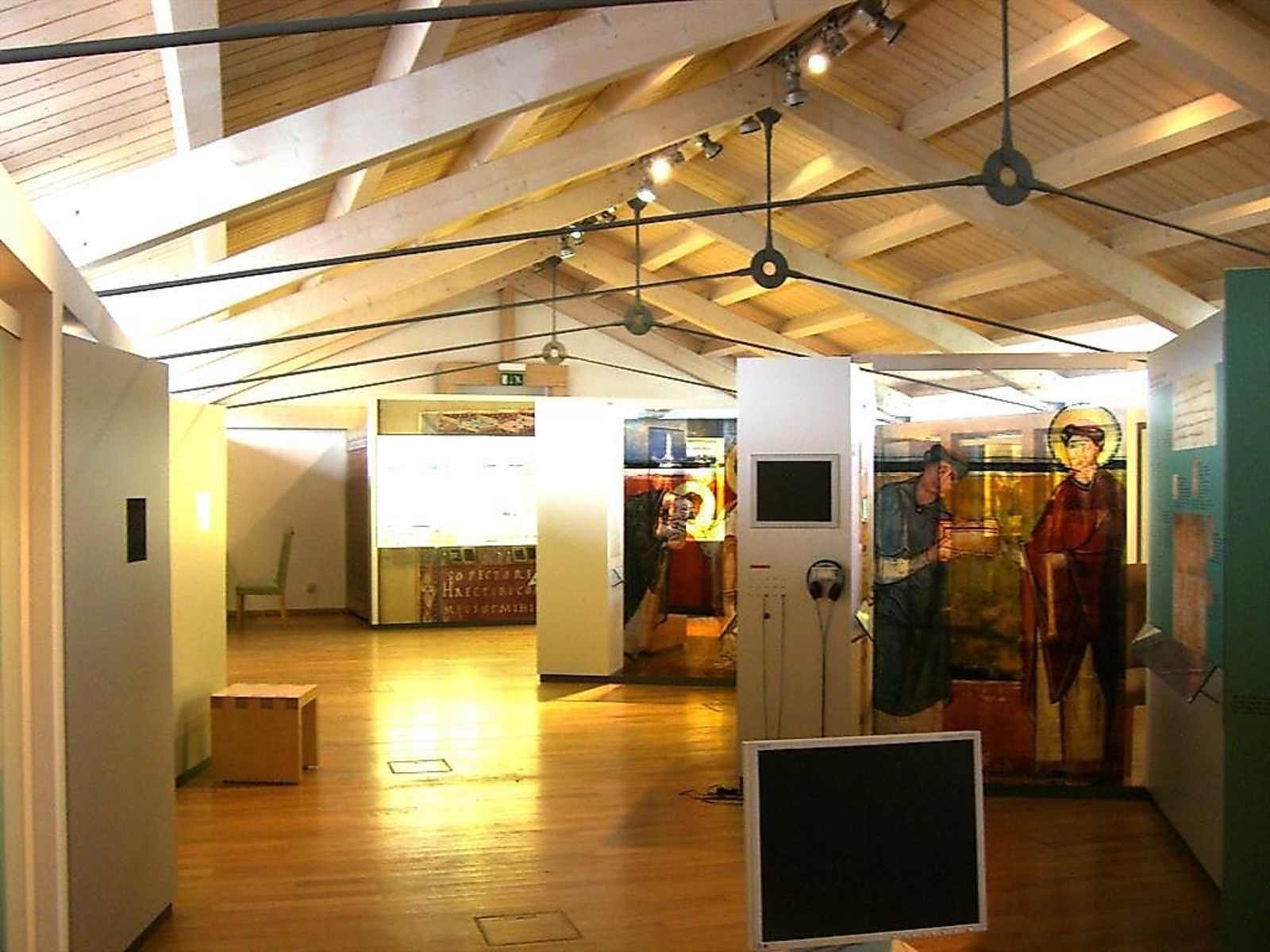
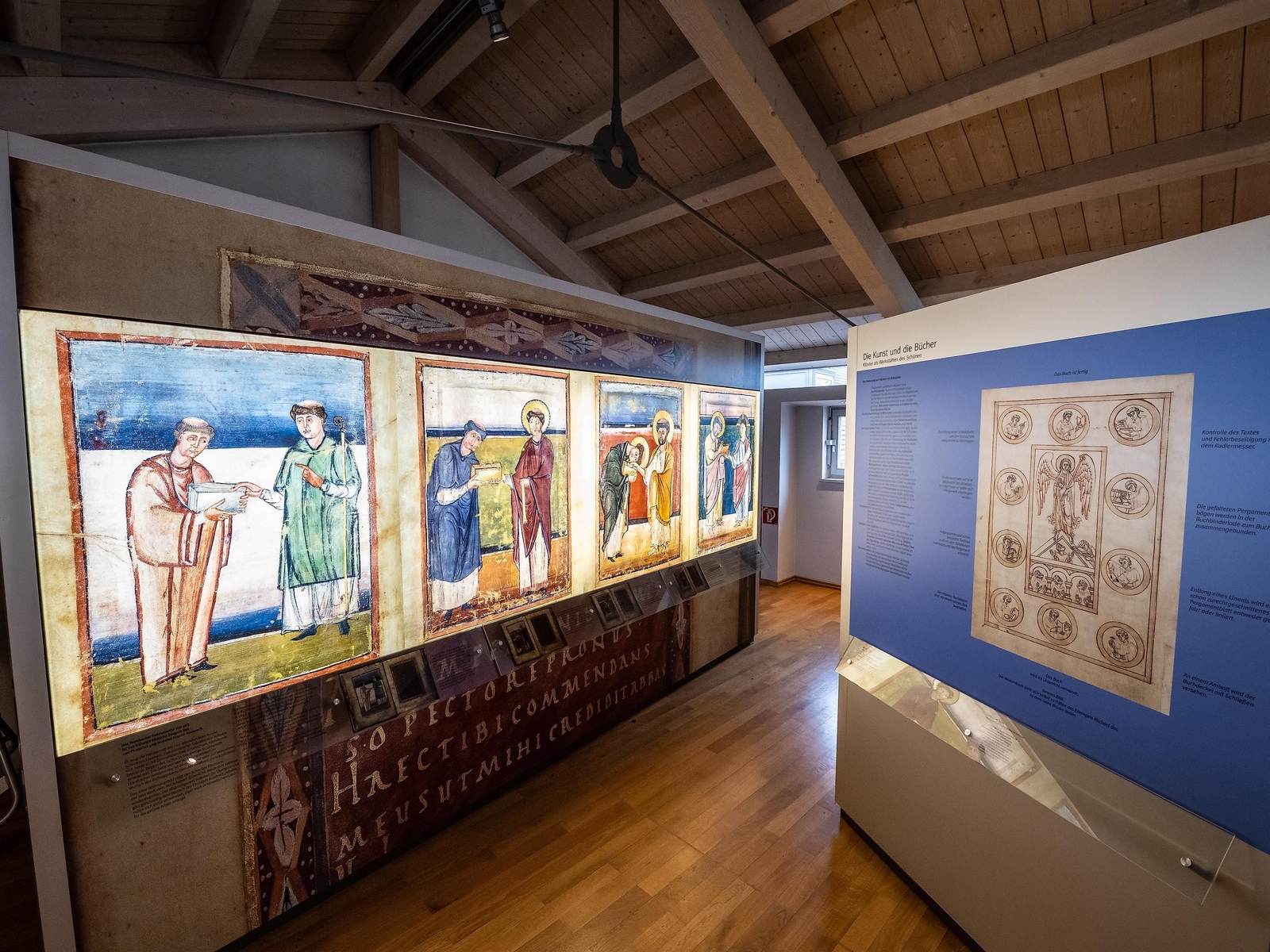
Through a renovation and its use as the Hotel Kloster Hornbach, a culturally and historically significant monument has been preserved. Between the main building and the formerly left side aisle of the monastery basilica, an extension was created, which has housed the Museum "Historama" since 2002. Here, where the mystique of the holy place is still palpable today, one can delve deep into history at multimedia stations, among other things. After the museum visit, the old walls in the worthy monastery district seem to literally "tell" stories.
On the tour, the memory of another famous son of the city comes alive in the monastery garden: Hieronymus Bock (1498 to 1554). He is considered one of the fathers of modern botany and pharmacy. In the herb garden, culinary and medicinal herbs flourish in well-tended beds, the effects of which Bock had already described in the 16th century.
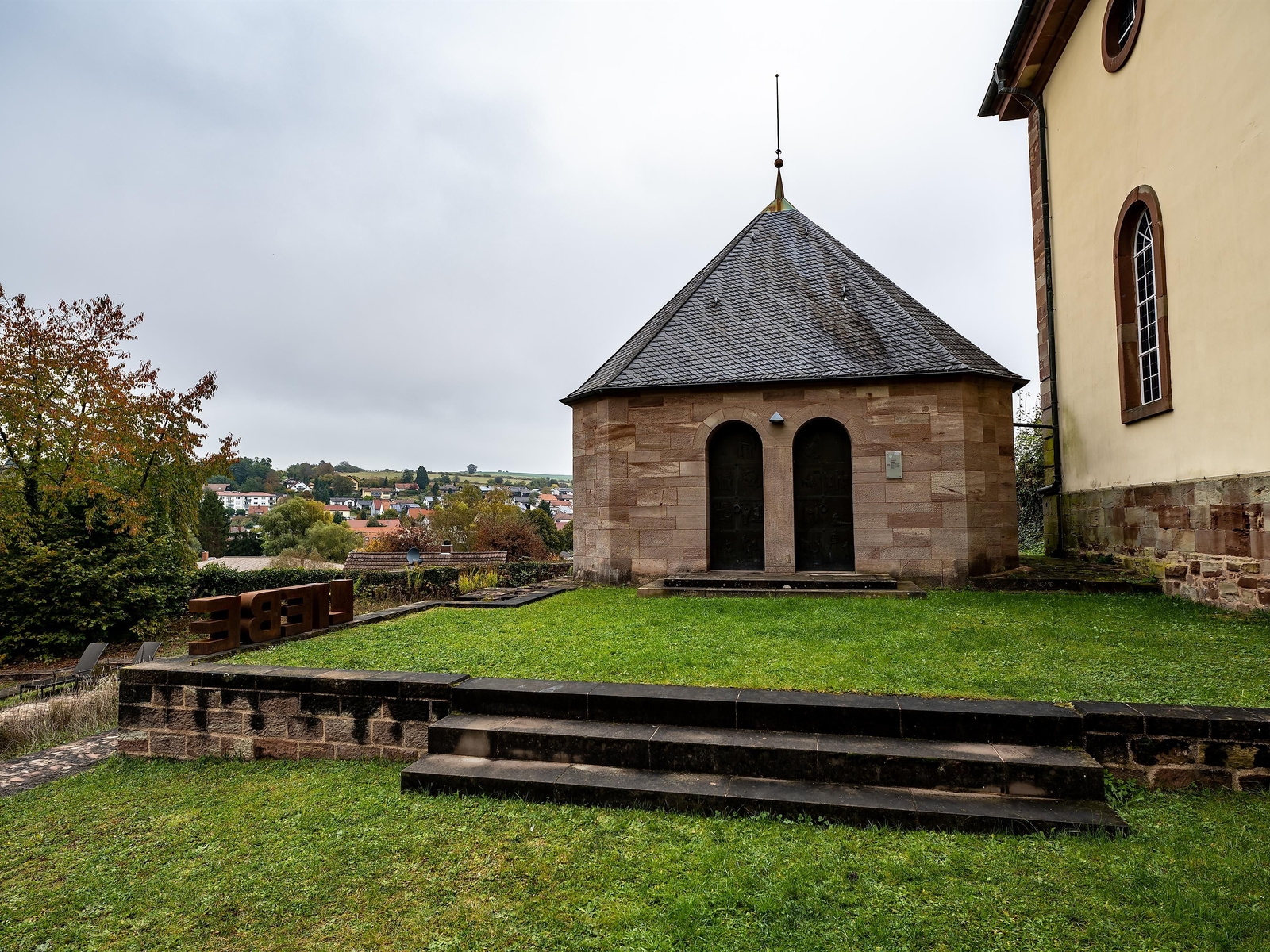
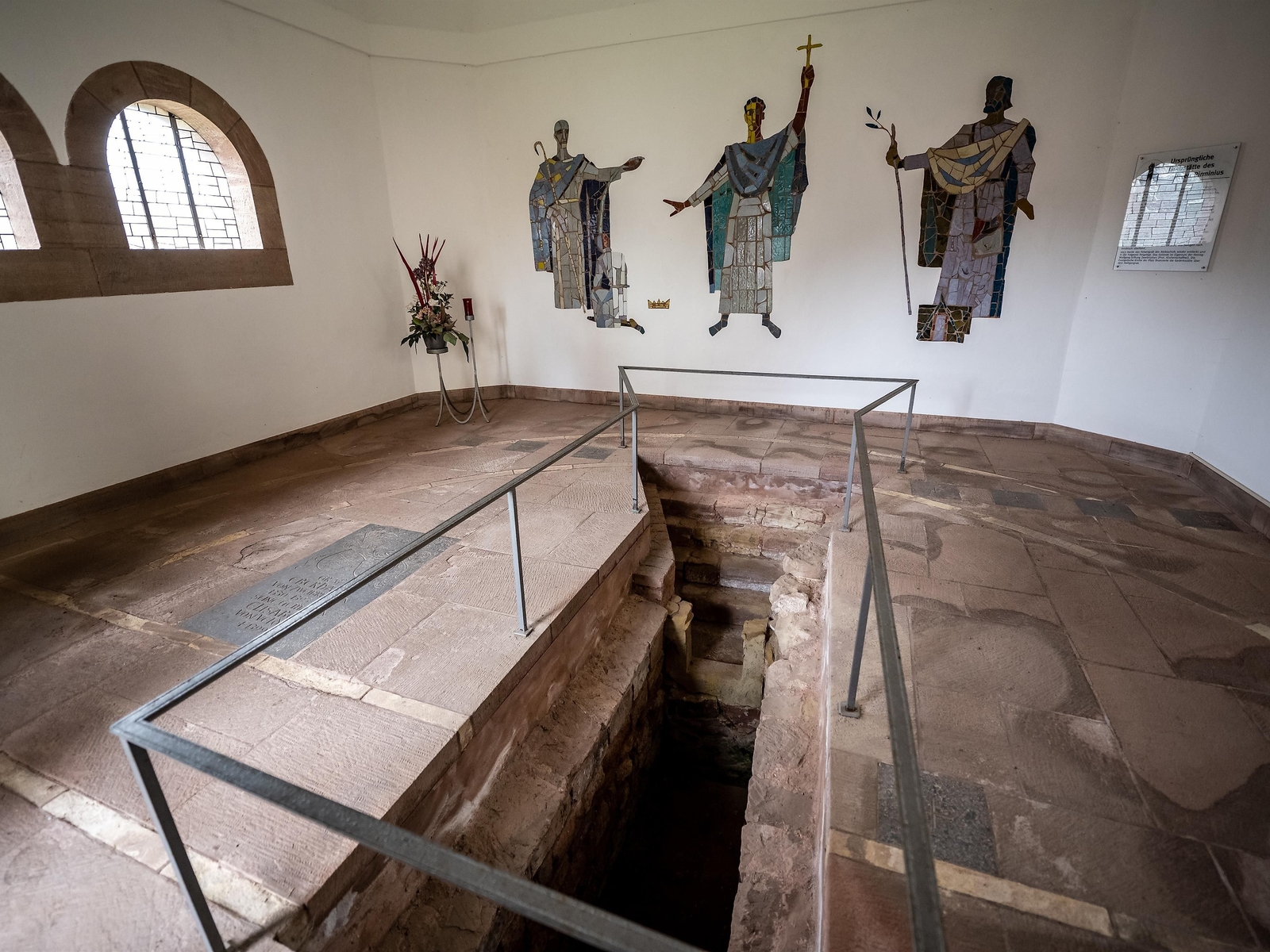
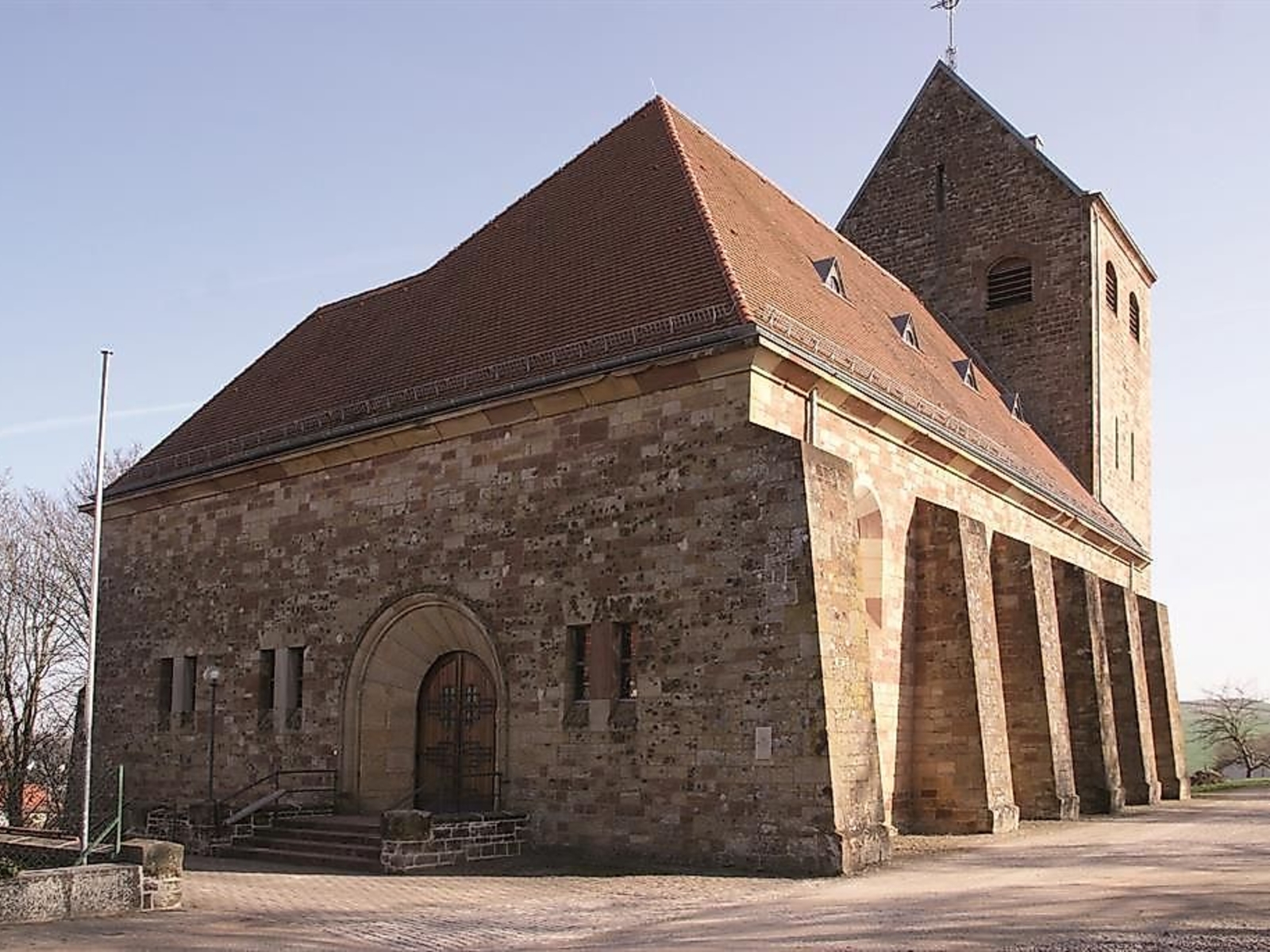
Back to Pirminius: The remains of the saint, who died in Hornbach in 753, were taken to Innsbruck in 1556, where they rest in a silver shrine within the altar niche of the Jesuit church. In Austria, he is still venerated as a folk saint today. In Hornbach, a chapel was built in 1957 as a memorial site for Pirminius. In it, his empty grave can be visited. Right next to it stands today’s Protestant monastery church.
Guided tours: by telephone agreement.
Source: DataHub Rheinland-Pfalz